
Fair prices. Fast approvals. Your health always comes first. Get Qualified for a California Medical Marijuana Card Today.
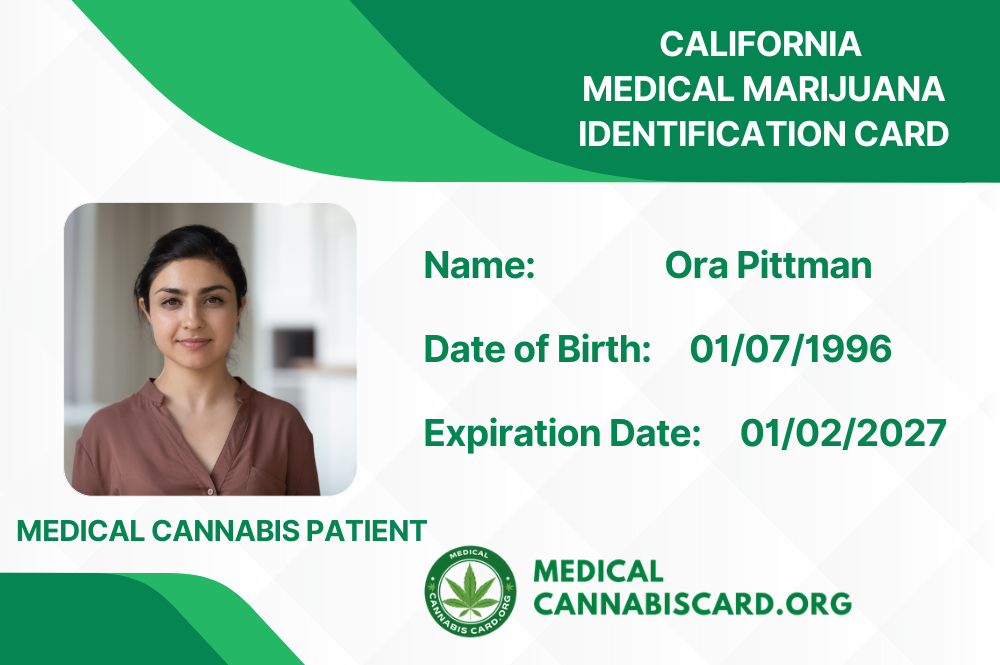
If you want to understand the Qualifying Conditions for Medical Card in California [2026], you are in the right place. California has one of the most flexible medical cannabis programs in the United States. But many people still feel confused about who qualifies and how the approval process works
In this guide, you will learn:
This article is based on California state law and government health sources. All references are provided at the end for easy access.
Unlike some states that list only a small number of illnesses, California allows physicians to recommend medical cannabis for any condition where cannabis may provide relief.
This flexibility comes from the Compassionate Use Act and related state laws under California Health & Safety Code Sections 11362.7–11362.83.
That means there is no short “approved list.” Instead, your doctor decides if medical cannabis may help your condition.
Even though California law is broad, some conditions are more commonly approved.
Chronic pain is the most common reason patients qualify. This includes:
If pain lasts longer than three months and affects daily life, a physician may consider cannabis as part of treatment.
Patients undergoing cancer treatment often experience:
Medical cannabis may help manage these symptoms. It does not replace cancer treatment but may improve comfort.
California law specifically protects patients with HIV/AIDS. Cannabis may help with:
MS patients may experience:
Some patients report relief from cannabis under physician supervision.
Patients with epilepsy or seizure disorders may qualify. In some cases, cannabis-based treatments are considered when other therapies do not fully control seizures.
Severe nausea caused by:
may qualify under physician evaluation.
Mental health conditions may qualify if:
Doctors carefully evaluate mental health cases because cannabis may not be appropriate for everyone.
Yes. California allows doctors to recommend cannabis for:
“Any other illness for which marijuana provides relief.”
This gives physicians medical discretion. However, you must show that:
Doctors cannot approve cards without a real medical reason.
To determine eligibility under the Qualifying Conditions for Medical Card in California [2026], physicians review:
They may ask:
Honest answers are important. Doctors must follow medical ethics and state law.
Adults can purchase recreational cannabis. However, a medical card offers tax savings and stronger protections.
Patients under 21 need a physician’s recommendation to access medical cannabis legally.
Minors may qualify if:
This process requires extra documentation.
No. Unlike some states, California does not publish a limited qualifying list.
Instead, the law allows broad physician judgment. This flexibility makes California’s program more patient-centered compared to stricter states.
Not every condition leads to approval. Doctors may deny certification if:
Physicians must document a legitimate medical reason.
Many people ask:
“If recreational cannabis is legal, why get a medical card?”
Here are the key benefits:
For patients with chronic illnesses, the medical program provides added protection.
If you believe you qualify, prepare before your appointment.
Bring:
Clear documentation helps doctors make informed decisions.
California’s medical cannabis framework comes from:
These laws created the Medical Marijuana Identification Card Program (MMICP), managed by the California Department of Public Health.
Medical cannabis may not be suitable for everyone. Risks may include:
Always consult a licensed physician. Never replace prescribed treatment without medical guidance.
Understanding the Qualifying Conditions for Medical Card in California [2026] starts with knowing that California law gives doctors flexibility. There is no strict list. Instead, physicians evaluate whether cannabis may help your medical condition.
If you have chronic pain, cancer-related symptoms, seizure disorders, MS, severe nausea, or certain mental health conditions, you may qualify. However, approval depends on professional medical judgment.
The key steps are:
Always rely on official government sources and licensed medical professionals when making decisions.
Not automatically. A doctor must confirm that cannabis may help your pain.
Yes, if symptoms are significant and a physician determines it is appropriate.
Yes. Medical documentation improves your chances of approval.
No. California allows physician discretion.
Yes. Many patients qualify after traditional treatments were ineffective.
No. A licensed physician must evaluate and recommend medical cannabis.
California Department of Public Health – Medical Marijuana Identification Card Program
https://www.cdph.ca.gov/Programs/CHSI/Pages/MMICP.aspx
California Department of Cannabis Control
https://cannabis.ca.gov/
Medical Board of California
https://www.mbc.ca.gov/
California Legislative Information – Health & Safety Code Sections 11362.7–11362.83
https://leginfo.legislature.ca.gov/