
If your medical marijuana card is close to its expiration date or has already expired, then renewal of this card in California can be done easily. The guide below highlights all you need to know concerning the process of renewing your cannabis card in California in the year 2026.
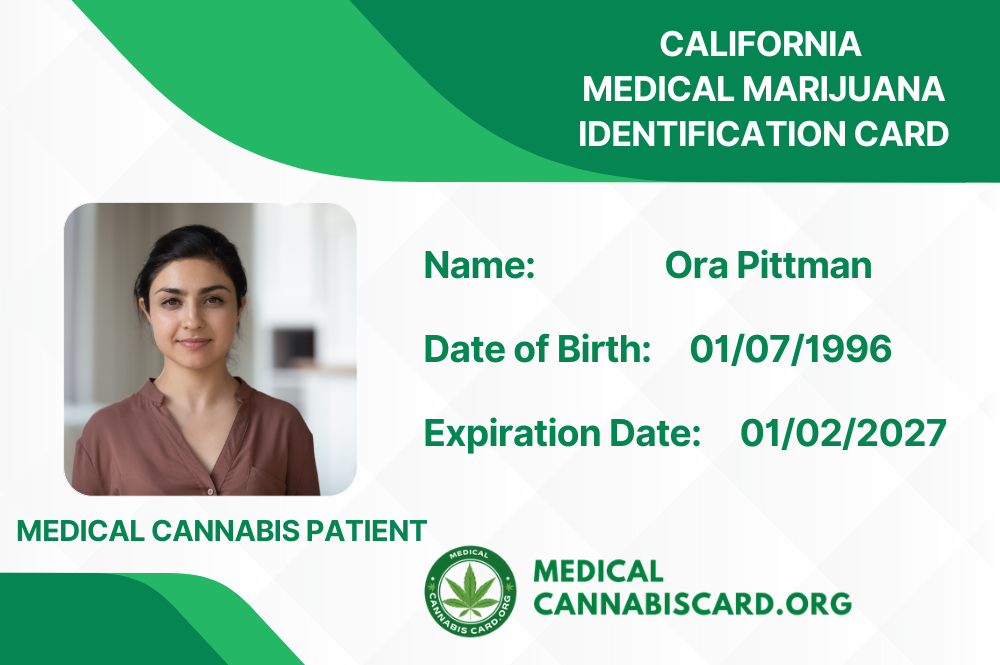
If you’re a resident of California relying on medical cannabis, staying compliant with state regulations is essential. Knowing how to renew California medical marijuana card in 2026 ensures uninterrupted access to your medicine. With updated laws, local health office requirements, and the growth of telemedicine in cities like Los Angeles, San Diego, and San Francisco, understanding the renewal process is more important than ever.
In this guide, we’ll walk you through every step of renewing your card, highlight local considerations like California’s weather impacts on medical marijuana access, and provide expert tips to make the process smooth and stress-free.
California law requires that all medical marijuana patients maintain a valid Medical Marijuana Identification Card (MMIC) issued through the California Department of Public Health (CDPH). Renewal is necessary if:
Your card is expiring within the next 30-60 days
You have moved to a new county or city
Your qualifying medical condition or treatment plan has changed
Tip: Even if your prescription hasn’t changed, renewing on time prevents gaps in legal access.
Before starting the renewal process, ensure you meet the following criteria:
Be a California resident (proof of address required, e.g., utility bill, lease agreement)
Have a current physician recommendation or medical cannabis evaluation
Be at least 18 years old (patients under 18 require parental consent and documentation)
No active felony convictions related to controlled substances
Local clinics in areas like Santa Monica, Sacramento, and Orange County often offer reminders or telemedicine services to help patients stay compliant.
Renewing your card can be done online or in-person. Here’s a detailed step-by-step guide:
Current MMIC or temporary card
Valid California ID (driver’s license, state ID)
Proof of residence (recent utility bill or rental agreement)
Medical records or physician recommendation
Visit a local clinic or use a telemedicine service
Popular California telemedicine providers offer same-day evaluations for residents of Los Angeles, San Diego, and San Francisco
Fill out the CDPH renewal form online or in-person
Ensure all information matches your identification documents
Double-check for spelling errors to prevent delays
Renewal fees vary by county (typically $50–$100)
Payment methods: credit/debit card online or check in-person
Processing time: 7–14 business days for online applications
Physical card mailed to your address; temporary cards may be issued instantly
Telemedicine has become increasingly popular in California, especially for residents in cities like San Francisco and San Jose who may have mobility constraints or limited clinic access. Benefits include:
Convenience: Complete the evaluation from home
Speed: Many providers issue recommendations within 24 hours
Flexibility: Appointments available evenings and weekends
Note: Telemedicine evaluations are fully legal in California and accepted by the CDPH for renewal purposes.
California has diverse counties with slightly varying rules for medical marijuana card renewal. Here’s a quick overview:
County | Average Renewal Fee | Notes on Local Clinics & Landmarks |
Los Angeles | $66 | Proximity to Venice Beach clinics and downtown LA dispensaries |
San Diego | $70 | Coastal residents can combine renewal visits with local dispensary consultations |
San Francisco | $75 | Telemedicine is highly common due to urban density |
Sacramento | $60 | Easy access to county health office near Capitol landmarks |
Orange County | $65 | High number of clinics near Disneyland and coastal cities |
Renew Early: Don’t wait until your card expires; start 30-60 days in advance.
Verify Your Physician: Ensure your doctor is registered with CDPH and can provide updated recommendations.
Keep Digital Copies: Store copies of your ID, proof of residence, and medical records for quick resubmission.
Use Trusted Clinics: Especially for first-time telemedicine appointments—read reviews and verify licensing.
Track Processing Time: Set a calendar reminder to check the status of your application.
Solution: Update your California ID before applying.
Solution: Schedule your evaluation well in advance; many clinics offer electronic recommendations.
Solution: Clear browser cache or try an alternative browser; county offices also accept in-person forms.
Solution: Check for county discounts or reduced fees for low-income applicants.
California’s climate, from foggy San Francisco to sunny Los Angeles, affects patients’ ability to travel to clinics. Seasonal conditions like heavy rains in Northern California may delay in-person visits, making telemedicine the preferred method for renewal in winter months. Coastal cities often offer convenient parking and easy access to multiple dispensaries, streamlining the post-renewal process.
Renewing your medical marijuana card in 2026 ensures:
Continued legal protection under California’s medical marijuana laws
Access to higher potency products and tax benefits
Eligibility for delivery services restricted to cardholders
Peace of mind knowing you’re compliant with evolving state regulations
Pro Tip: Always keep your card accessible, especially when purchasing at dispensaries or traveling within California.
Renewing your California medical marijuana card in 2026 is straightforward if you follow the proper steps, prepare your documents, and consider county-specific requirements. Whether you choose in-person appointments near landmarks like the Golden Gate Bridge or rely on convenient telemedicine from home, timely renewal ensures uninterrupted access to your medication and compliance with state laws.
Stay proactive, use trusted clinics, and leverage telemedicine services to avoid delays and make the renewal process seamless.
Yes, California offers both online and in-person renewal options, including telemedicine evaluations.
Online applications typically take 7–14 business days; in-person processing may vary by county.
You can use another CDPH-registered physician or a licensed telemedicine provider for your evaluation.
No, fees vary by county, generally ranging from $50–$75.
No, patients under 18 require a parent or guardian to complete the renewal and provide consent.
Yes, telemedicine evaluations are valid statewide for CDPH approval.
Source: California Department of Public Health – Medical Marijuana Program